Ibogaine in Colorado: Why People Are Asking Right Now
As a psychedelic-focused healing center in Colorado, we hear more and more questions about ibogaine. You might have seen headlines about its potential to help with opioid addiction, trauma, and other stubborn mental health struggles, and wondered where it actually stands here at home.
Our goal in this piece is simple: to unpack what we know about ibogaine’s current status in Colorado, what regulators are debating as it relates to therapy, and how we at Rose NeuroSpa are thinking about safety, access, and ethics as the ground keeps shifting.
How Colorado Law Treats Ibogaine Today
Colorado’s recent natural medicine reforms changed the legal picture for several psychedelic plants and fungi, but ibogaine’s place is still unsettled. Adults twenty-one and over now face reduced penalties for possessing certain natural medicines, which is not the same as receiving care in a licensed setting.
Right now, Colorado law draws a line between:
- Personal, small-scale use that is decriminalized, and
- Supervised services in state-regulated healing centers.
Under the Natural Medicine Regulation and Legalization Act, the state is opening those centers so trained facilitators can offer approved substances, with psilocybin first in line. Ibogaine, by contrast, remains under review by regulators and advisory boards. It has not been approved for use in licensed centers, and there is no authorized clinical pathway yet, even though state leaders have signaled that ibogaine is under serious consideration.
The Promise of Ibogaine: Why It Is On the Radar
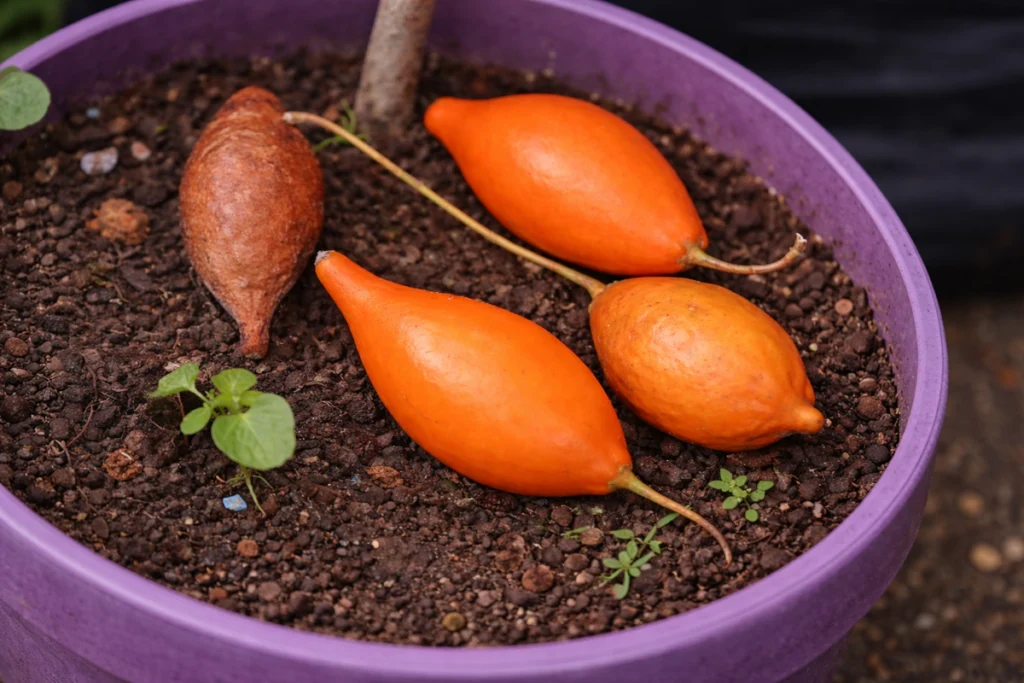
Ibogaine comes from the iboga shrub, used for generations in West and Central African spiritual traditions. In Colorado, you’ll mostly hear about it in conversations around addiction and other hard-to-treat mental health conditions.
Early research and observational data suggest ibogaine may:
- Reduce opioid withdrawal symptoms and cravings
- Support changes in long-term substance use patterns
- Ease symptoms of depression, anxiety, and trauma for some people
For many of the folks we meet, that mix of physiological and psychological impact is what turns their head. They are not looking for a miracle cure, just something that can help them genuinely turn a corner.
Safety, Risk, and Clinical Standards Under Discussion
Any talk about ibogaine has to include its risks. Sessions can last many hours, and the medicine affects the heart’s electrical activity. In the medical literature and clinic reports, there have been dangerous arrhythmias and deaths, often in people with underlying heart disease.
The Sourcing Question: How To Bring Iboga Into Colorado Ethically
Even if Colorado approves ibogaine in regulated centers, another big question remains: where would it come from, and who benefits. Iboga is native to Central and West Africa, especially Gabon, where it is deeply tied to Bwiti religious and cultural practices. For many people there, it is not just a “psychedelic,” it is a sacred medicine and part of a living tradition.
That is why sourcing raises ethical and political concerns, not just supply-chain logistics. Conversations in Colorado now touch on issues like:
- How to avoid contributing to overharvesting or ecological harm
- How to respect Indigenous knowledge and religious use
- How to share financial benefits with the communities that have carried iboga forward
From our standpoint, any future ibogaine program has to be anchored in this bigger picture. Otherwise, it risks repeating old patterns where the Global North extracts sacred plants while local communities are left holding the bill.
The Nagoya Protocol: Why Colorado Is Talking About Gabon
One of the more quietly important moments in Colorado’s ibogaine story happened in a meeting room, not in the news cycle. The state’s Natural Medicine Advisory Board voted to recommend that any iboga or ibogaine used here follow the Nagoya Protocol, an international framework for sharing benefits with the countries and communities that steward certain plants and traditional knowledge.
In practical terms, the board is saying that if Colorado ever brings iboga into regulated care, it should:
- Have formal agreements with Gabon and other source countries
- Share financial benefits with Indigenous communities whose traditions informed iboga use
- Protect iboga from overharvesting and poaching
How We’re Thinking About the Road Ahead
From where we sit, ibogaine in Colorado is a moving target: the science is advancing, the law is evolving, and community voices are pushing for both access and caution. We try to hold all of that at once without rushing to pick a side.
Practically, that means we:
- Track regulatory meetings and policy proposals
- Read new studies with a critical, not cynical, eye
- Listen to people with lived experience of addiction and recovery
- Stay in conversation with colleagues who work in cardiac, emergency, and addiction medicine
For you, the main takeaway is that this story is not frozen in time. Things will change, and our job is to keep updating it in plain language so you can navigate it with both eyes open.
